
3 Egyptian Brands Redefining Sustainable Style.

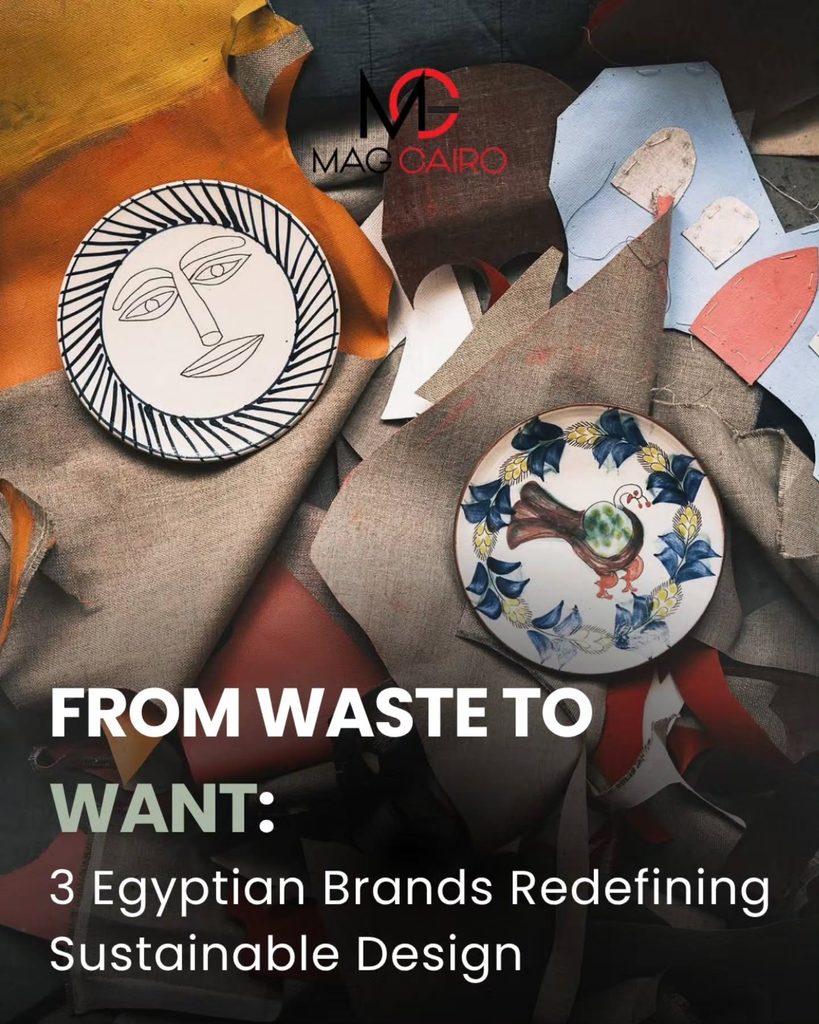
3 Egyptian Brands Redefining Sustainable Style
As sustainability continues to shape fashion and design, Egyptian brands are taking the conversation beyond recycling. They are rethinking what we consider waste, transforming discarded materials and traditional craftsmanship into pieces designed to be wanted, worn, and lived with.
From heritage-inspired design to plastic waste turned into statement pieces, Kiliim, Up-Fuse, and Reform Studio each offer a different vision of conscious design.
Because sustainability doesn’t always have to look like sustainability. Sometimes, it simply looks beautiful.
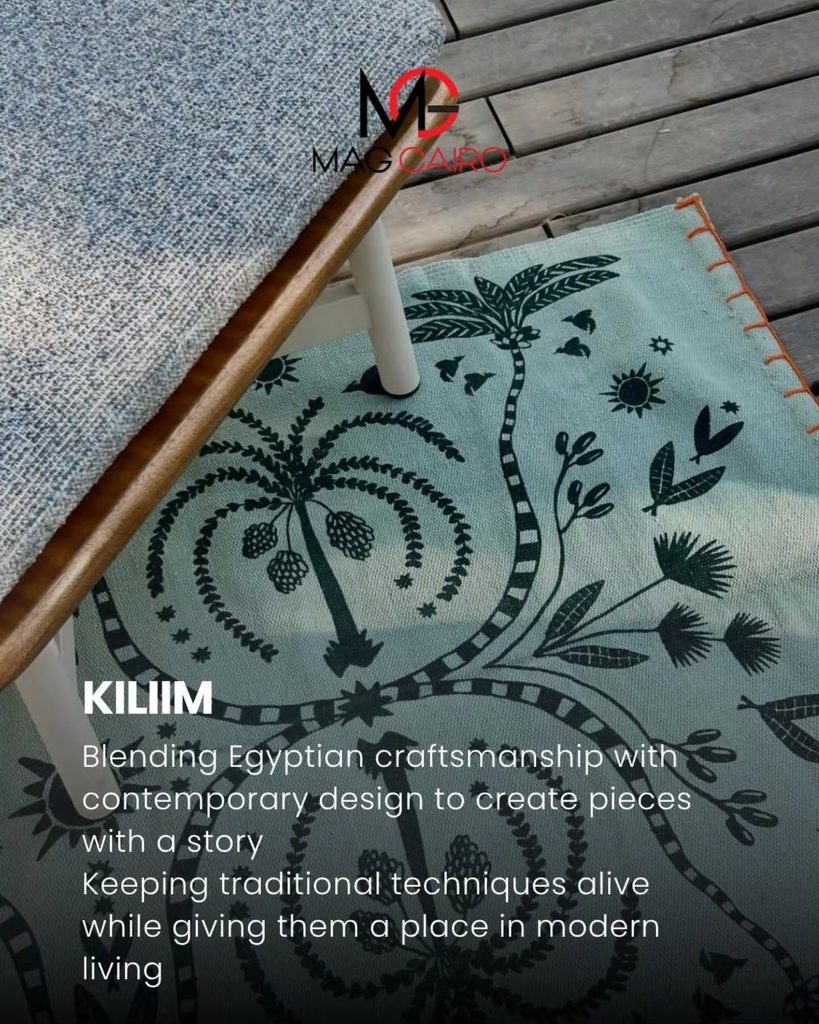
Kiliim: Where Heritage Finds a New Life
For Kiliim, sustainability is rooted in one of Egypt’s richest resources: craftsmanship.
The brand brings Egyptian handmade traditions into contemporary design, working with local artisans to create pieces rooted in heritage while fitting naturally into modern spaces.
Its approach is a reminder that sustainability isn’t only about materials. It’s also about how something is made, who makes it, and which traditions continue because of it.
By giving traditional techniques a place in contemporary design, Kiliim keeps Egyptian craftsmanship alive while giving it a modern identity.
Sometimes, giving something a second life doesn’t mean changing the material.
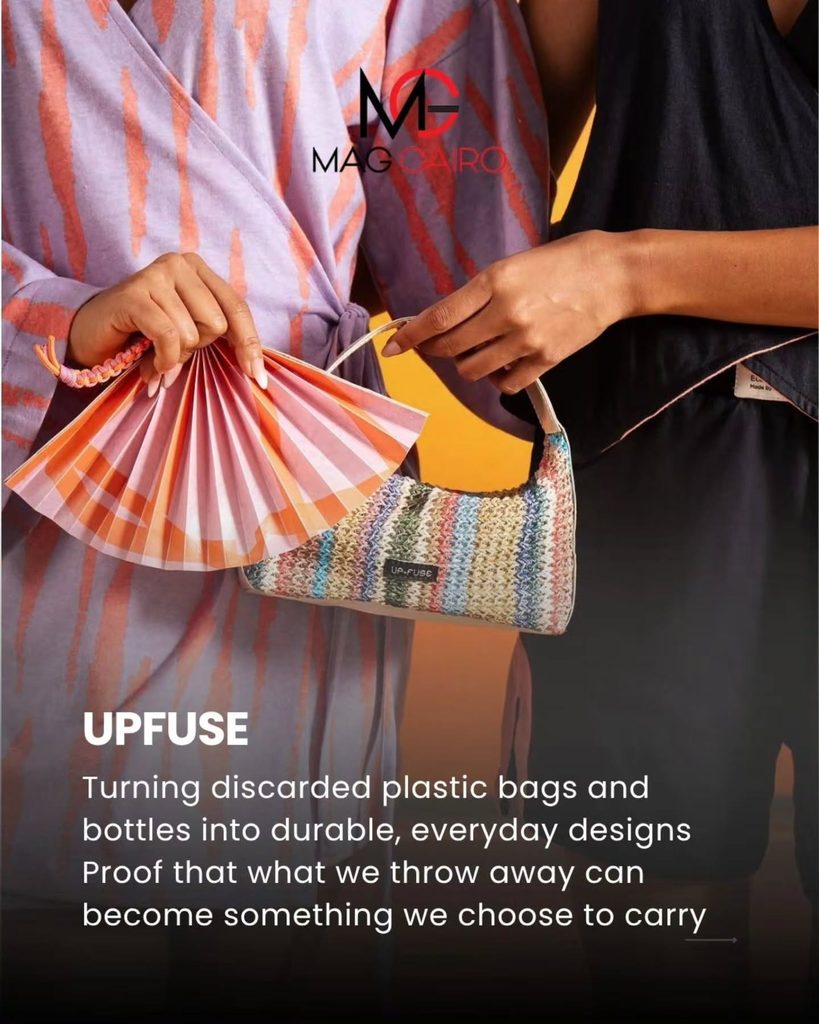
Upfuse: From Plastic to Pieces Worth Carrying
More than a decade ago, Yara Yassin and Lama El-Khawaga started Upfuse with EGP 5,000 and a three-person team, turning one of Egypt’s biggest environmental challenges into something people actually wanted to carry.
The brand transforms discarded single-use plastic bags and bottles into durable materials used for backpacks, crossbody bags, travel pieces, and more.
What was once easily overlooked becomes something thoughtfully designed and made to last.
Waste goes in. Something worth carrying comes out.
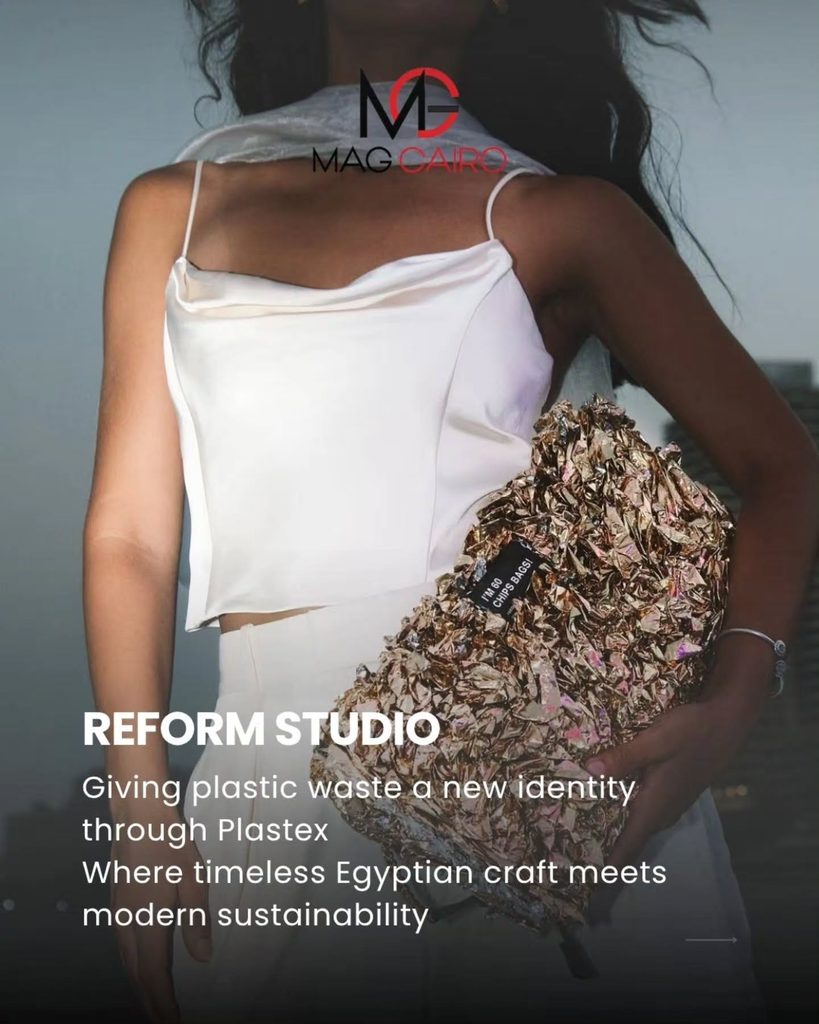
Reform Studio: When Waste Becomes Texture
At Reform Studio, sustainability takes a more tactile form.
Founded by Mariam Hazem and Hind Riad, the studio developed Plastex — a material made by transforming discarded plastic bags into woven textiles using traditional Egyptian looms.